Enjoy a Green Vacation
Transportation
When making reservations for rental cars, inquire about availability of hybrid and electric (EV) rental cars available for rent at Florida's major mainland airports for visitors that wish to fly into a mainland airport and drive down to their Keys vacation.
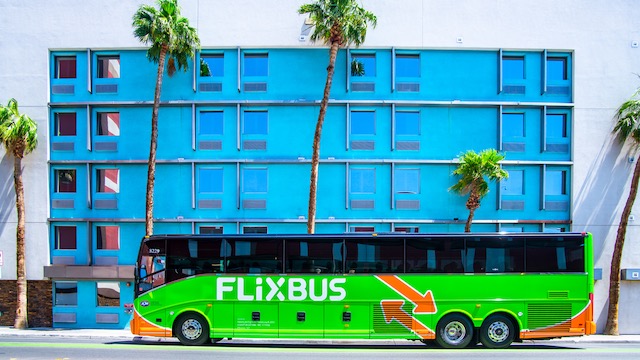
FlixBus, a well-known European intercity mobility company that offers bus and rail services in 36 countries around the globe, has added Florida and the Keys to its network. Travelers flying into Miami and Fort Lauderdale-Hollywood international airports now have a convenient car-free option for getting to Islamorada, Marathon and Key West. Plans call for adding stops in Key Largo and Big Pine Key. To enhance the sustainability of their bus travel, FlixBus passengers can offset their carbon emissions with “CO2 Compensation” tickets.
Upper Keys
Changing the way people experience the islands of Islamorada, much like many cities, Freebee provides free, eco-friendly electric transportation. Jump onboard and they’ll take you around town in customized, eco-friendly cars.
The free ride sharing transportation offers expanded hours to serve all of Islamorada in a 70-hour/weekly operating schedule: Tuesdays and Wednesdays 10 a.m. to 10 p.m.; Thursdays 11 a.m. to 11 p.m.; Fridays 11 a.m. to midnight; Saturdays from 12 p.m. to midnight; and Sundays from 11 a.m. to 8 p.m. Download the Ride Freebee app from the App Store or Google play. Riders without a smart phone can call 305-984-5057 to request a ride.
In & Around Key West
Key West, in particular, is largely a pedestrian city as recreational areas of Old Town are easily reached by walking. Visitors can ditch the car, as other environmentally friendly modes of transportation offer driving alternatives.
Key West Park & Ride allows visitors to park their car and get free public transportation around Key West.
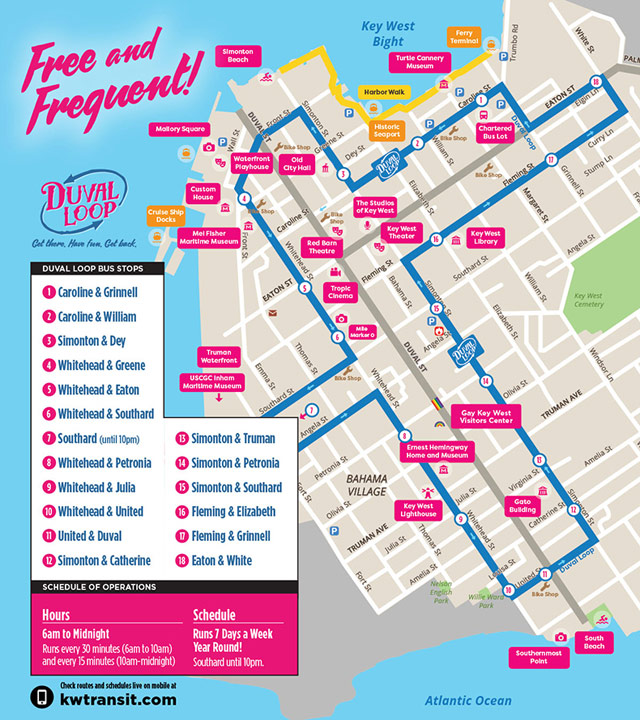
Car-Free Key West’s goal is to offer safe, healthy alternatives to driving for tourists, workers and local residents. The Duval Loop Bus offers a free, hop-on/hop-off route that runs from the Gulf to the Atlantic adjacent to Key West’s world-famous main street lined with shops, bars, restaurants, and more.
Five 6's Taxi was one of Florida’s first taxi companies to roll out a fleet of hybrid vehicles. Based in Key West, vehicles can accommodate groups and is ADA-compliant to accommodate electric and manual wheelchairs.
Electric cars and pedi-cabs also are available for hire in Key West and along famous Duval Street.
Bicycling enthusiasts throughout the country enjoy the freedom of US1 and the Overseas Highway, linking over 100 miles of islands with 43 bridges — one being seven miles long. In Key West, bicycling is woven into the culture.
City buses and the Key West Express ferry also permit riders to bring their bikes along, and most cab companies have bike racks on their taxis.
Resources for cyclists:
Back to the top
Accommodations
Florida Keys hotels, motels, bed & breakfasts and inns help conserve natural resources by implementing water-conservation and energy-saving measures, helping reduce solid waste and taking steps to prevent pollution.
Lodgings with a clear environmental agenda may offer energy-efficient light bulbs, towel reuse and linen-changing options, soap and shampoo dispensers, guestroom recycling baskets, high-efficiency faucet aerators and food-related waste reductions.
Find Florida Keys Green Lodging
Back to the top
Attractions, Eco-Tours & Activities
Preservation is a priority in the Keys. The Florida Keys offer an abundance of public national and state parks, recreation sites and environmentally oriented eco-attractions that span all regions of the islands.
For example, Key West National Wildlife Refuge and Great White Heron National Wildlife Refuge, established in 1908 and 1938, respectively, provide safe nesting and breeding areas for great white herons and other migratory birds and wildlife. White herons are North America's largest wading bird and, according to the U.S. Fish and Wildlife Service, are found only in the Florida Keys and on the South Florida mainland.
Today, Keys visitors are stepping, paddling, diving and snorkeling specifically to interact with nature in a low-impact way, viewing natural sights along our nearshore waters and offshore coral formations and experiencing nature in a quiet way once reserved for poets, philosophers and naturalists of years past.
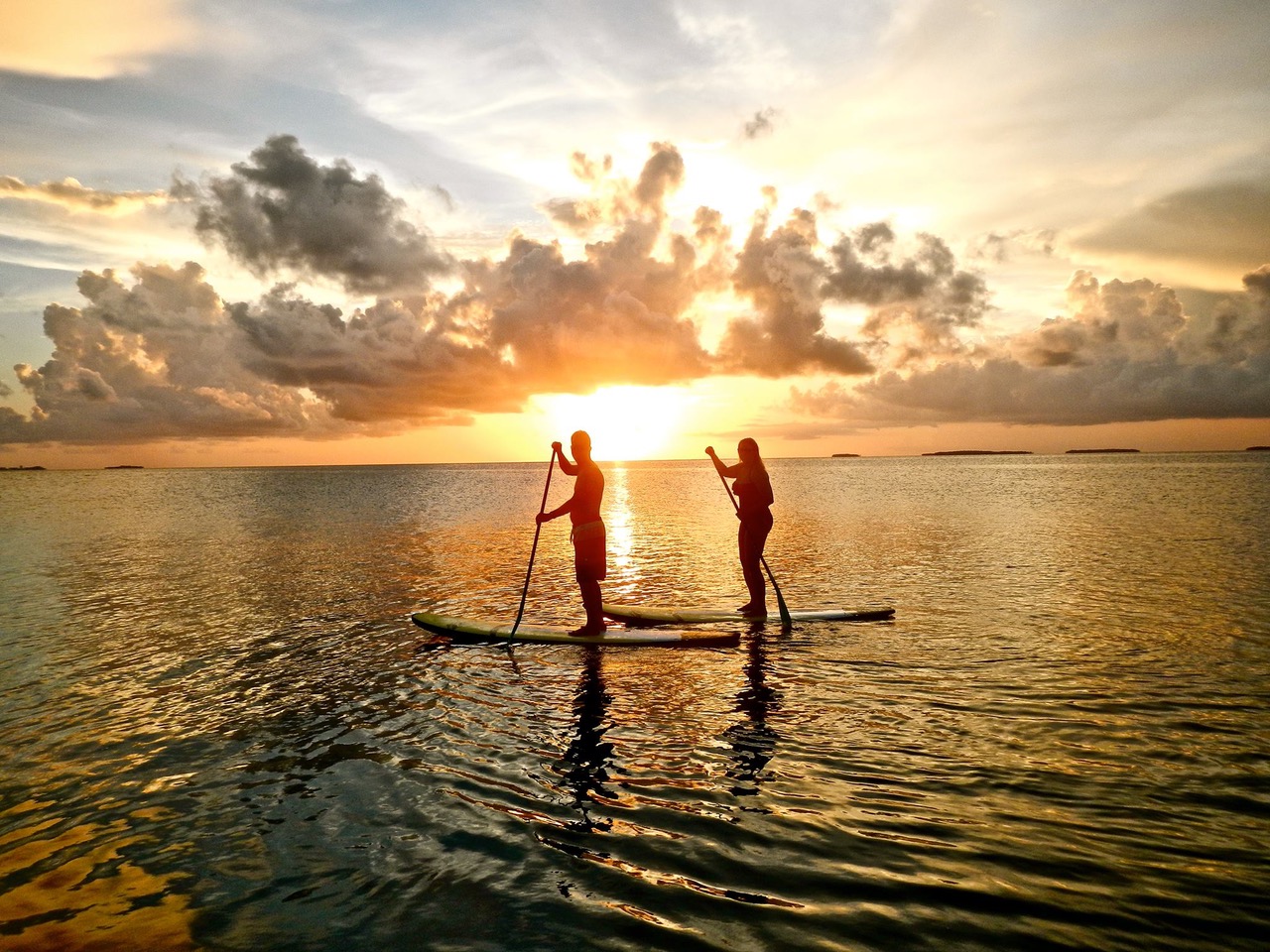
Kayaks and paddleboard rentals are easily accessible from marinas, resorts, and parks along U.S. 1, the Overseas Highway, and are available for rent or you can hire a tour guide to accompany you.
Following are some highlights of eco-friendly things to do while on vacation.
Attractions
Our conservation and preservation museums, animal rehabilitation centers, wildlife refuges and botanic gardens are special places where you can appreciate the Keys’ heritage, the biodiversity and learn more about their importance.
Key West highlights:
Conservation museums include Audubon House, Mel Fisher Maritime Museum and Key West Butterfly & Nature Conservatory.
Preservation museums include Museum of Art & History at the Custom House, Lighthouse & Keepers Quarters Museum, Fort East Martello Museum & Gardens, The Oldest House Museum, Key West Garden Club at West Martello Tower.
A frost-free botanic garden in the continental United States, The Key West Tropical Forest & Botanical Garden is home to many endangered and threatened flora and fauna. The forest has two of the last remaining freshwater ponds in the Keys and is a major migratory stopping point for neo-tropical birds from places as far as South America, as well as being home to many rare birds in the Florida Keys.
Find Key West Attractions, Beaches, Parks & Museums
Lower Keys highlights:
Not easily accessible to boat traffic, the backcountry area is largely untraveled, unspoiled and teeming with fascinating plant and animal life.
On the Atlantic side, the mangrove-lined Coupon Bight is a popular kayaking destination at Big Pine Key. Experienced sea kayakers or those on popular guided tours can venture into the open ocean to snorkel over patch reefs at any of the Lower Keys.
Sample exotic fruits during a tour of Grimal Grove on Big Pine Key. The 2-acre fruit farm — billed as the first and only breadfruit grove in the continental United States — offers 90-minute guided tropical fruit excursions showcasing species of subtropical and tropical fruits, trees and plants.
Observe wildlife at the Blue Hole, a secluded oasis off Big Pine's Key Deer Boulevard. This abandoned quarry exposes the Keys’ unique freshwater lens and attracts a wide variety of wildlife and birds. Enjoy the view from the observation platform or venture along the forested edges of the walking trail.
Find Lower Keys Attractions, Beaches, Parks & Museums
Marathon highlights:
In 2022, Crane Point Hammock Museum and Nature Center, was listed on the National Register of Historical Places, alongside the already-designated Adderley House, an early 20th-century home to a Bahamian sponge fisherman's family inside the 63-acre site surrounded by tropical hardwood hammock. Also nestled within Crane Point Hammock is the Marathon Wild Bird Center, one of the leading wild bird rescue centers in the Florida Keys.
Marathon's Turtle Hospital, is the only facility of its kind in the world. At the hospital, opened in 1986, staff treat injured sea turtles and, when possible, return them to the wild. Educational tours of the facility are offered to introduce visitors to the hospital's curative programs for loggerhead, green, hawksbill and Kemp's ridley turtles.
Designated a National Historic Landmark in 1990, Pigeon Key Foundation & Marine Science Center is dedicated to protect the island’s longstanding history from the Henry Flagler era.
Dolphin Research Center on Grassy Key is a research and educational facility that's home to rescued Atlantic bottlenose dolphins and California sea lions. Visitors to the center can participate in enjoyable and educational programs that provide knowledge and insights about dolphins, their environment and their remarkable abilities.
Find Marathon Attractions, Beaches, Parks & Museums
Upper Keys highlights:
Islamorada is a gateway to one of the most varied watery wildernesses in America, and a playground for anyone interested in the environment, wildlife, and history.
Tavernier's Florida Keys Wild Bird Center is a haven for bird lovers, and was a labor of love of its founder, the late Laura Quinn, whose name graces the visitor center's Laura Quinn Wild Bird Sanctuary.
Find Islamorada Attractions, Beaches, Parks & Museums
Find Key Largo Attractions, Beaches, Parks & Museums
Back to the top
Eco-Tours & Activities
Throughout the Keys are expert kayak and nature guides, many are also nature photographers, all who understand what folks want to see and what conditions are ideal for wildlife viewing on an eco-tour.
Kayaks have no problem with shallow dips of the waters surrounding the Keys, it's a perfect boat to explore nature. Meander easily accessible watery mangrove forests and natural tidal creeks.
Hike nature trails among the same tropical plants and hardwood trees that sheltered Native Americans. Join fellow birders to stalk the edges of the woods looking for the elusive mangrove cuckoo, or paddle along mangrove edges to see green herons hop among the roots or flocks of white-crowned pigeons, a bird seen nowhere else in North America.
The Great Florida Birding and Wildlife Trail includes 10 Keys native habitat stops such as Fort Zachary Taylor Historic State Park, Key West Tropical Forest and Botanical Garden, Bahia Honda State Park, the National Key Deer Refuge, Dagny Johnson Key Largo Hammock Botanical State Park, John Pennekamp Coral Reef State Park, Long Key State Park and Dry Tortugas National Park, Crane Point Museum and Nature Center, and Curry Hammock State Park.
Key West
Key West is the gateway to a vast ecotourism playground.
Extending 70 miles westward are uninhabited sand spits and ancient coral formations of Dry Tortugas National Park and historic Fort Jefferson, a Civil War-era fortress, where you can camp overnight, snorkel during the day and stargaze at night.
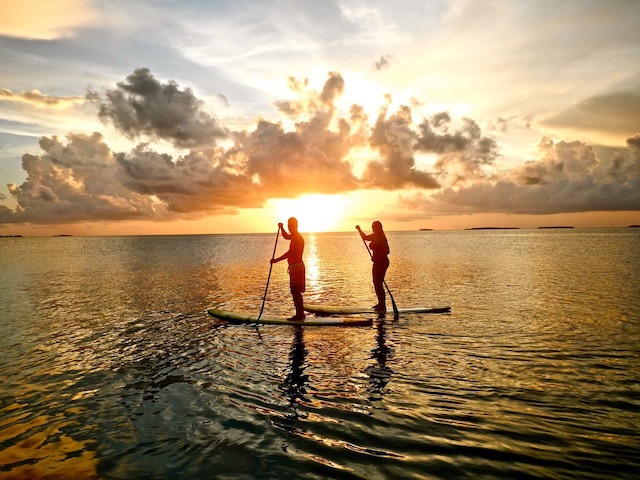
Explore close to the island on a nighttime kayak tour or enjoy a Mellow Venture aboard a catamaran sailboat into the shallow waters and uninhabited backcountry cays that frame the island's famous sunsets.
Step aboard Key West’s first electric-powered charter boat, for an Honest Eco dolphin watch and guided snorkel excursion, or walk among hundreds of living butterflies and colorful birds in the state-of-the-art solarium at Key West Butterfly & Nature Conservatory.
Find Key West Eco Tours
Big Pine & the Lower Keys
In the Lower Keys, the islands suddenly take a westerly turn toward the sunset. Starting at Big Pine Key, there is suddenly more land than sea, including the National Key Deer Refuge, established in 1957 to protect and preserve more than 8,000 acres of habitats for wildlife. Most notable are Key deer, a subspecies of the Virginia white-tailed deer, ranging in size from 45 to 80 pounds fully grown.
The refuge, peppered with nature trails, is a stopping point for thousands of migratory birds, and a winter home for many North American bird species including the roseate tern and peregrine falcon.
The Lower Keys backcountry is home to glistening waters, a series of tiny uninhabited mangrove islands and shallow grass flats, including the locals’ favorites, Content Keys and Snipe Point.
Rent kayaks and explore portions of the backcountry on your own or sign up for a guided tour. You’re almost sure to see egrets, herons, kingfishers and other migratory and shallow-water bird life.
During a 2- to 2.5-hour guided clear kayaking adventure from Sugarloaf Key Marina, enjoy scenic mangrove mazes while a guide points out marine life. Spot sea turtles, nurse sharks, starfish, conchs and more from 100% see-through kayaks.
The Old Wooden Bridge near the No Name Pub on No Name Key, Bahia Honda State Park and Looe Key Reef Resort, are some of the area’s prime kayak and paddleboard launching spots.
Find Lower Keys Eco Tours
Marathon & Middle Keys
Marathon is situated at the midpoint of the island chain, surrounded by numerous large shoals and shallow-water coral humps to explore, some within eyeshot of shore. Offshore, coral patches are magnets to dive and snorkel to view beautiful sea life from sea turtles to tiny tropical fish.
Kayakers of various experience levels can paddle to offshore areas and a few uninhabited mangrove islands on calm days. Tours around the island and through mangrove forests that dot the shallow flats are available with the help of a guide. Watch as nurse sharks, tarpon, bonefish or other flats species cruise the shallow grass beds, and egrets, herons and cormorants snatch tiny fish or nest in the mangrove trees.
Kayakers can launch from Curry Hammock State Park, Tom's Harbor Cut and Sombrero Beach.
From a perch at Curry Hammock State Park, volunteers with Florida Keys Hawkwatch monitor the southernmost migration flights of peregrine falcons and other raptors in the continental United States. In spring and fall, thousands of buteos, accipiters, raptors, eagles, and peregrine falcons fly through the Keys, whose annual migratory numbers are thought to surpass any other location in the U.S.
In May and June, thousands of huge tarpon roll and shimmer in the natural channels passing under Middle Keys bridges. With tarpon and several other species, Keyswide charter captains bring a catch-and-release ethic. Evidence shows that catch-and-release is the best way for anglers to conserve marine resources.
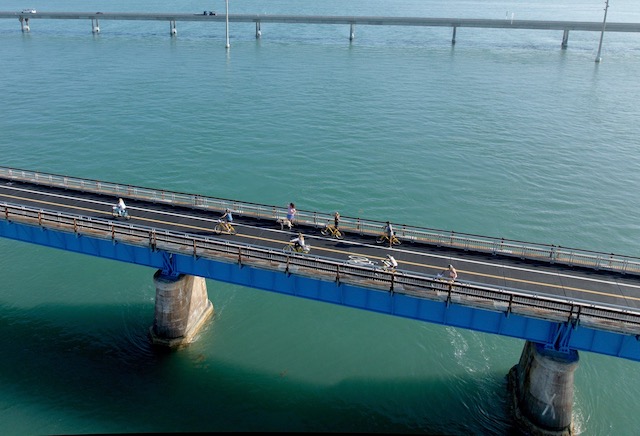
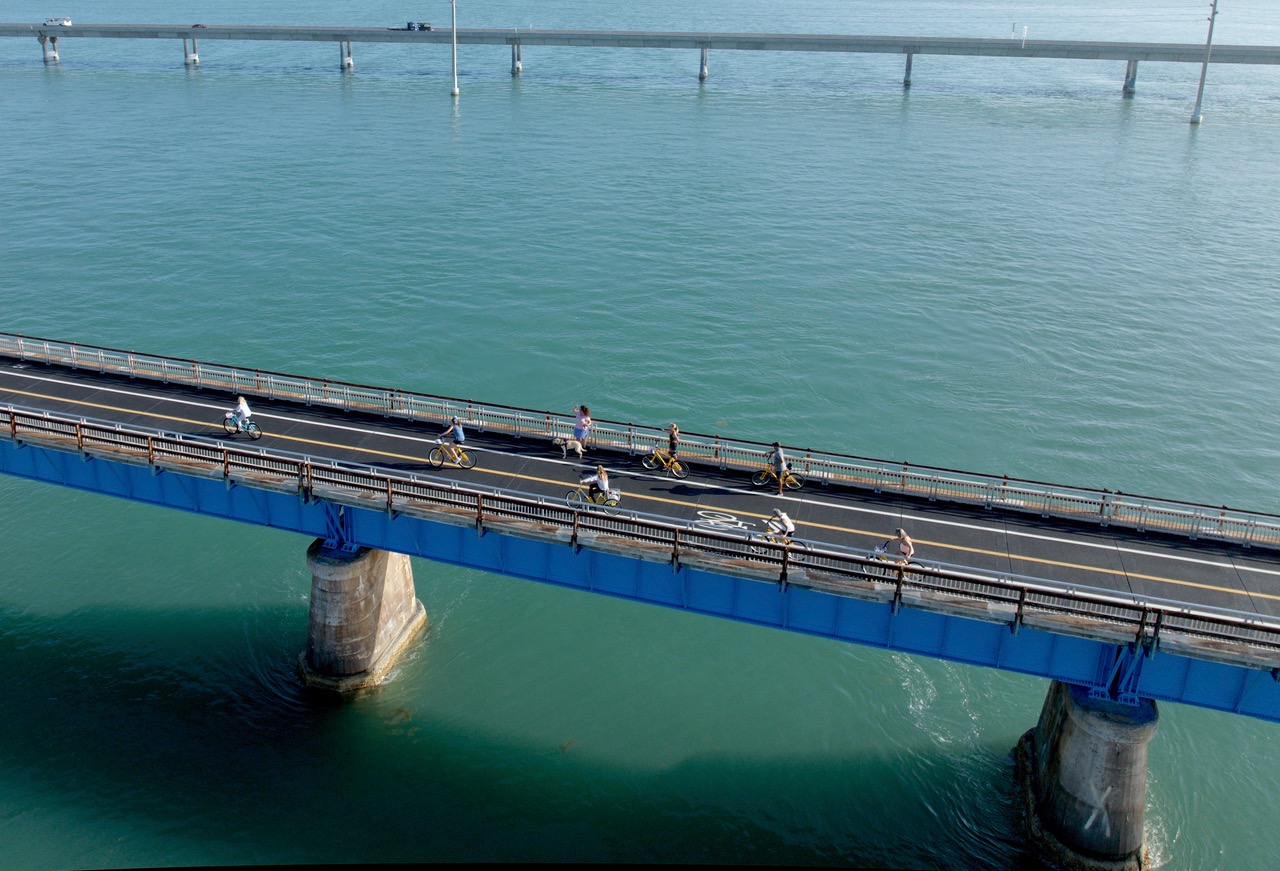
A two-mile section of the famed Old Seven Mile Bridge that parallels the Florida Keys Overseas Highway, locally known as “Old 7,” is again open for cycling, walking, running, rollerblading and watching sunrises and sunsets.
Find Marathon Eco Tours
Upper Keys
The waters around Key Largo are an ecologically fascinating place where freshwater from the Everglades mixes with the saltwater of Florida Bay. Everglades National Park, the third largest park in the continental United States, abuts the near-shore waters of Key Largo to the west. Highly skilled boat captains and eco-tour outfitters are ready to show them to you.
For those who enjoy wilderness camping, outfitters offer extended kayak and canoe trips from Flamingo, a national park outpost where the Everglades meet the sea, to Everglades City on Florida's west coast. Tour boats and air-boat rides through the grassy interior of the Everglades can also introduce you to the wildlife and wilderness.
Key Largo offers kayak launching locations at Sunset Park, Dove Creek and Florida Bay Outfitters, among others. At Heron Dusenberry Creek, which is canopied over with old-growth mangrove trees, its winding tributaries and tiny creeks are popular for full or half-day kayaking trips. In Islamorada, launching sites can be found at Founders Park, Lorelei Restaurant, Whale Harbor Channel Bridge, Robbie's Marina and Anne's Beach.
An array of wildlife awaits within easy reach of shore, including bottle-nosed dolphin, sea turtles and manatees. John Pennekamp Coral Reef State Park was established off the Upper Keys in 1963 as America's first underwater preserve and remains a popular snorkeling and diving site.
Well known for dolphin-assisted therapy programs provided to children with special physical and emotional needs, the nonprofit Island Dolphin Care in Key Largo features virtual (due to COVID-19) marine science educational programs. At Dolphins Plus a variety of experiential learning, cutting-edge research, education and in-person dolphin swim programs are offered, including one dedicated to women enduring breast cancer, in honor of one of the marine mammal facility’s founders who lost her battle in 2009.
During a visit to Tavernier’s five-acre Florida Keys Wild Bird Center, native and migratory birds that have been nursed back to health but can't be released into the wild are on display. Wooden boardwalks and nature paths wind through shaded cages that house wild hawks, ospreys, spoonbills, egrets and more. The facility's primary purpose is to rescue, rehabilitate and release ill, injured and orphaned wild birds.
Tiny Lignumvitae Key, home to Lignumvitae State Park and Botanical Site, lies just a mile from U.S. 1 on the bay side, and is a fascinating stop for paddlers or boaters who want to stroll through a tropical forest thriving atop the remains of an ancient coral reef. This raised patch of land, called a hammock, tops out at just 18-feet above sea level yet it is the highest point in the Keys.
On the Atlantic Ocean side of Islamorada, Indian Key is reachable only by private boat or tour. To walk on this island, home to Indian Key State Historic Site, is to walk where Native Americans walked for thousands of years.
Find Islamorada Eco Tours
Find Key Largo Eco Tours
Back to the top
Dining & Food
Eating locally is one of the best ways to support a community — shopping at local, organic, artisanal stores, fish and seafood markets, and dining at area restaurants that cook a fresh daily catch.
Seafood markets are brimming with clawless spiny lobster, Key West pink shrimp and fish caught in local waters, such as mahi-mahi, grouper and snapper.
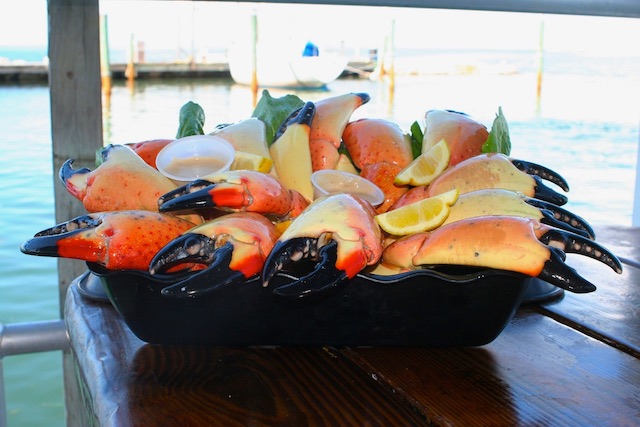
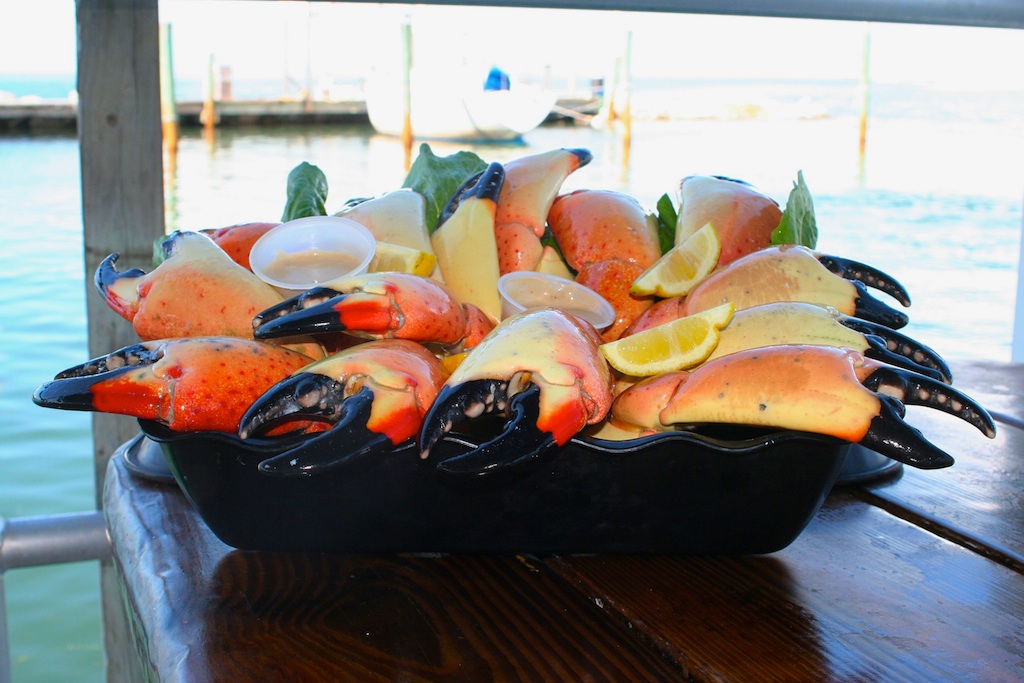
Stone crabs, renowned for their sweet and succulent meat, are a popular, and sustainable, delicacy. When harvested, one legal-size claw is removed, and the crab is returned to the sea where, over the course of up to two years, the claws regenerate. For this reason, stone crabs are considered a renewable resource.
Back to the top
“Greening” Keys Communities
Local newspapers use biodegradable bags to deliver their papers, and use natural inks produced from plant sources such as soy and other environmentally friendly materials.
Keys Weekly Newspapers
Key West Citizen Newspaper
Back to the top
Our Mission
The mission of the Monroe County Tourist Development Council is to manage Monroe County’s tourism marketing efforts to assure long-term economic stability resulting from visitor-related revenues. The TDC pledges to benefit residents and visitors by utilizing those financial contributions to improve Florida Keys environmental and community resources. The tourism council also prioritizes working to enhance residents' quality of life and minimize their property taxes through safeguarding the health of the county’s primary industry.